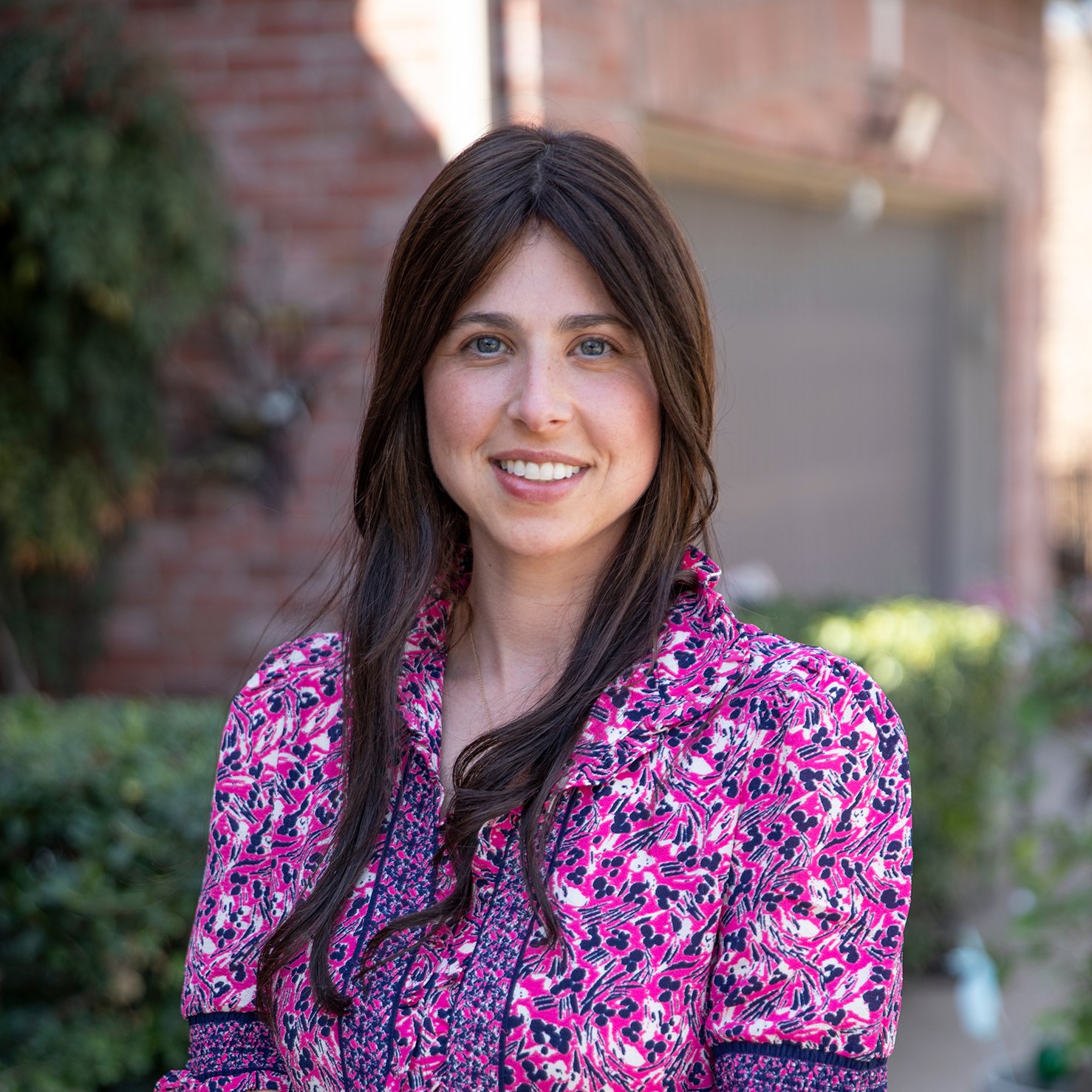
Alyssa Englander holds a Master’s degree in Social Work from the University of Texas at Arlington. Drawing from a rich background in school counseling, advocacy, and community-based addictions work, she brings a uniquely well-rounded perspective to her clinical practice.
Alyssa approaches therapy with deep personal investment in each client’s journey, emphasizing holistic well-being and meeting people exactly where they are. Whether working with individuals or couples, she brings the same warmth, curiosity, and commitment to helping people find clarity, healing, and a deeper understanding of themselves and their relationships.
Alyssa has experience supporting individuals and couples navigating ADHD, relationship health, and self-discovery. Above all, she is committed to creating a warm, compassionate space where every client feels safe, understood, and empowered to grow.
Who are you are best positioned to serve?
I’m best positioned to serve individuals at any stage of life who are facing challenges with depression, anxiety, or relationships. I’m equally passionate about working with couples – helping two people find their way back to understanding, trust, and connection is some of the most rewarding work I do. Whether I’m working with someone individually or alongside a couple, my goal is always the same – to help people move from where they are to where they want to be.
What areas you feel are your biggest strengths?
At the core of my work is my ability to create an environment where clients feel truly comfortable, safe, and understood. I believe that before any real progress can happen, a person needs to feel genuinely heard – and building that foundation is something I take great pride in.
Beyond that, one of my strongest assets is my flexibility as a clinician. I don’t believe in a one-size-fits-all approach to therapy – every person carries a unique story, and their treatment should honor that. Rather than fitting clients into a predetermined method, I meet them where they are and thoughtfully tailor my approach to what will work best for them as an individual. In my experience, that kind of personalized care is what makes the difference between going through the motions and achieving real, lasting change.
What's your favorite part about being a therapist?
My favorite part of being a therapist is witnessing the moment when someone moves from feeling stuck to finding their way forward. There’s nothing quite like watching someone grow into a healthier, happier version of themselves. I’m equally passionate about the relational side of the work – helping people find harmony and understanding with one another is something I find truly meaningful.
What can clients expect?
Clients can expect to leave our work together with a genuine sense of relief from the symptoms, challenges, and past experiences that may have been weighing on them, sometimes for a very long time. But beyond that immediate relief, my hope is that every client also walks away with something deeper – a clearer understanding of who they are, what they need, and how they connect with the people in their lives. Ultimately, I want clients to leave therapy not just feeling better, but feeling more equipped and more themselves.
Why did you join Curis?
I joined Curis because its philosophy aligns with something I’ve always believed deeply – that true wellness can’t be achieved by treating the mind and body in isolation. The integrated, holistic model that Curis has built is the kind of collaborative, whole-person approach I’ve always wanted to be a part of.
Beyond the model itself, what drew me to Curis was the culture – the commitment to collaboration, the diversity of clients served, and the shared belief that every person deserves care that is as unique as they are.