Peripheral Neuropathy

What Is Peripheral Neuropathy?
Common Symptoms of Neuropathy
- Burning, tingling, or “pins and needles” sensations
- Numbness or loss of protective sensation (especially at night)
- Electric-like shooting pains
- Heightened sensitivity to touch or temperature
- Weakness, balance difficulties, or frequent stumbling
Did you know? Neuropathy affects more than 20 million Americans, and up to 50% of people with diabetes will experience it in their lifetime.
Causes of Neuropathy
There are more than a thousand known causes of neuropathy, but most cases fall into three broad categories:
- Underlying health conditions – such as diabetes, spinal disorders, or circulatory problems that limit blood flow to the nerves.
- Chemical exposures – including certain medications, chemotherapy, alcohol, or toxins.
- Nutritional deficiencies – low levels of key vitamins and antioxidants can impair nerve repair and accelerate damage.
Often, neuropathy results from more than one factor, which is why a comprehensive evaluation is so important.

Why Standard Treatments Fall Short
Traditional medical care often relies on medications that reduce pain signals but do little to address the root cause of nerve damage. While drugs may bring short-term relief, many patients find their symptoms continue to worsen over time, leaving them searching for real solutions.
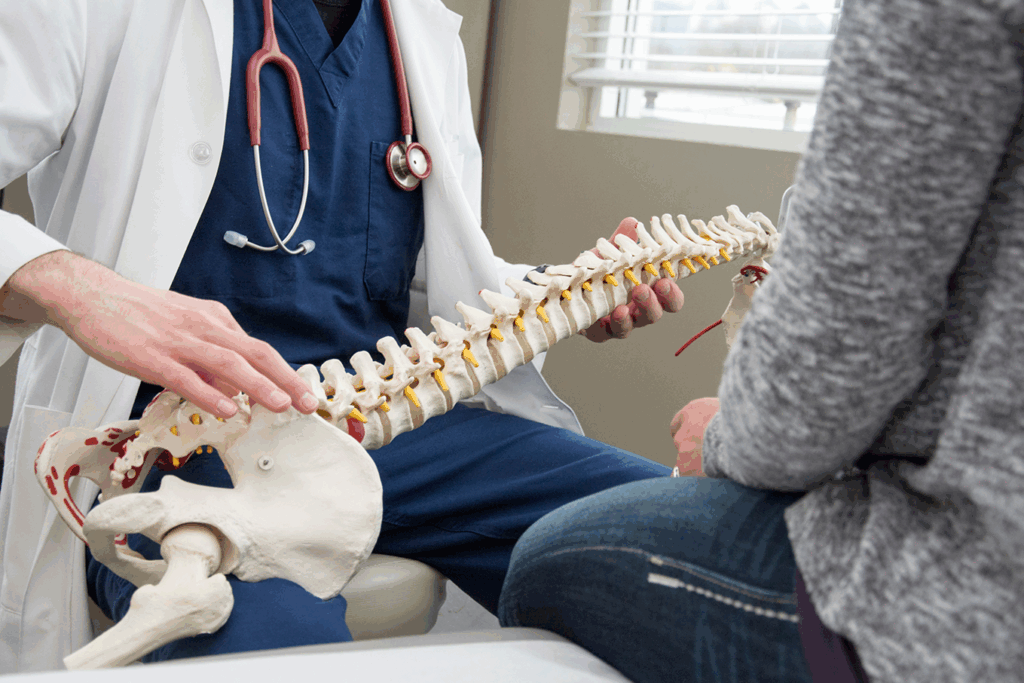
Our Comprehensive, Non-Invasive Approach
At our clinic, we help patients move beyond symptom management. Our care model is:
- Holistic and Patient-Centered – we evaluate multiple contributing factors, not just symptoms.
- Non-Invasive and Drug-Free – safe, evidence-based therapies designed to restore circulation, stimulate nerve health, and support long-term improvement.
- Outcome-Oriented – we track progress with validated tools for sensation, balance, and quality of life.
By addressing root causes, many patients experience meaningful improvements in comfort, mobility, and independence.
Life With Better Nerve Health
Patients who respond to treatment often notice:
- Less burning and tingling
- Improved feeling in their feet and hands
- Fewer nighttime symptoms and better sleep
- Greater stability and confidence when walking
- Renewed ability to enjoy daily activities

FAQs
Does insurance cover neuropathy treatment?
What is the best treatment for peripheral neuropathy?
There is no single “best” treatment, since neuropathy can have many different causes. Traditional care often relies on medications to reduce pain, but these do not repair damaged nerves. Our approach combines non-invasive, drug-free therapies designed to improve circulation, nerve health, and function — offering many patients longer-lasting relief.
Can neuropathy be cured or reversed?
How do I know if I am a candidate for neuropathy treatment?
We begin with a thorough consultation and neurological evaluation to determine the severity and contributing factors of your neuropathy. This helps us decide if our program is right for you. If you are a candidate, we create a personalized plan based on your needs.
How long does it take to see results from neuropathy treatment?
Some patients notice improvements such as reduced tingling or better sleep within a few weeks. Others experience gradual changes over several months. Because every case is unique, progress depends on the extent of nerve damage and how consistently care is followed.
Is neuropathy treatment painful?
No. Our therapies are non-invasive and drug-free. Most patients find them comfortable and even relaxing.
Do I have to stop my current medications to start treatment?
No. We never ask patients to stop medications prescribed by their physician. Our program is designed to complement your medical care, not replace it. We also keep your healthcare providers updated with your progress.
What lifestyle changes can help neuropathy?
Nerve health is supported by good nutrition, regular physical activity, controlling blood sugar levels, and limiting alcohol. As part of your care plan, we provide guidance on lifestyle strategies that enhance results and help protect nerve function long-term.
Can neuropathy be cured?
Will I still need my medications?
How soon will I see results?
Take the Next Step
Peripheral neuropathy doesn’t have to define your life. With a comprehensive, non-invasive approach, it’s possible to reduce pain, restore function, and regain independence
👉 Schedule a consultation today to learn how we can help.